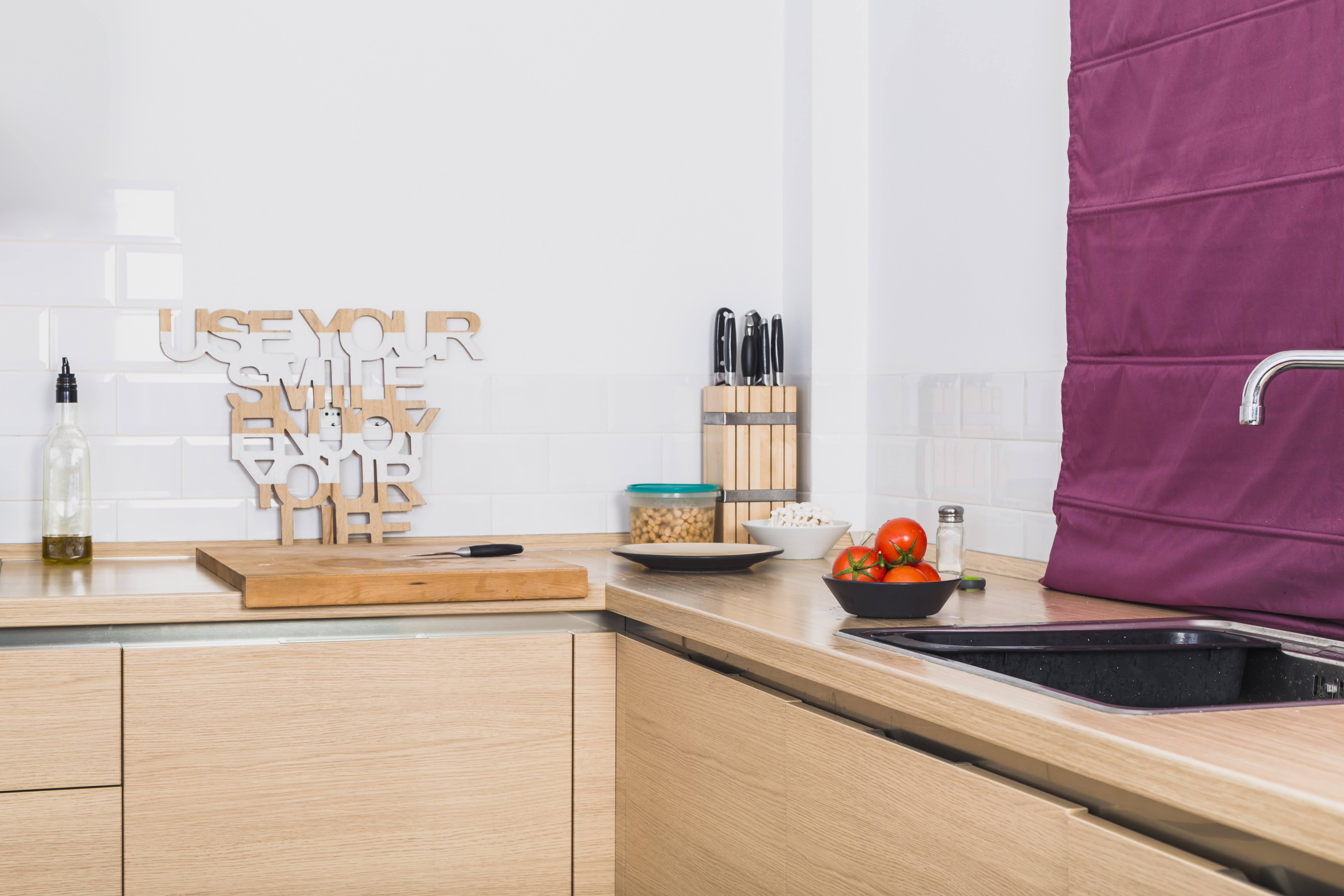
Corner units in kitchens – they're a bit like that awkward space under the stairs. Everyone has them, nobody quite knows what to do with them, and if you get it wrong, you've essentially created a black hole where Tupperware lids go to die.
As someone who's designed hundreds of kitchens across South Manchester, I've seen every corner solution imaginable (and quite a few I'd rather forget). The good news? Modern corner units have come a long way, and there are some brilliant options that'll transform that dead space into something genuinely useful.
Let me walk you through the best solutions for corner base units, wall units, and tall units – the ones my customers actually choose and, more importantly, actually use.
Corner Base Units: The Storage Workhorses
Magic Corner Units (Le Mans)
This is the option about 70% of my customers go for, and for good reason. A magic corner unit uses clever pull-out mechanisms that bring everything stored in that deep corner space right out to you. No more crawling in on your hands and knees with a head torch.
The Le Mans system swings out in two tiers, making use of virtually every inch of corner space. Yes, they cost more than a standard base unit, but the storage capacity and ease of access make them worth every penny. I've yet to have a customer regret this choice.
Best for: Storing pans, larger kitchen appliances, dry goods, or anything you need regular access to.
Lazy Susan (Carousel Units)
The classic spinning solution. Lazy Susans have circular shelves that rotate, bringing items around to the door opening. They're particularly popular with customers who want something simple and reliable without too many moving parts.
The main thing to know: they're better for lighter items and things that won't fall over when spinning. You'll lose a bit of space in the corners where the circle doesn't reach, but they're more affordable than magic corners and still infinitely better than a standard corner cupboard.
Best for: Spices, jars, cans, baking supplies, and lighter kitchen items.
Diagonal Corner Sink Units
Here's a trick that solves two problems at once: put your sink in the corner. A diagonal corner sink base gives you easy access to the plumbing (your plumber will thank you), maximizes your worktop space along the main runs, and eliminates the corner storage problem entirely because, well, there's a sink in it.
I often suggest this layout when space is tight or when we're trying to create a more efficient work triangle between the sink, hob, and fridge.
Best for: Smaller kitchens, awkward layouts, or when you want to maximize worktop length.
Standard Corner Base Unit
The simplest and most budget-friendly option is a standard corner base unit with a single door. Yes, you'll have some awkward space at the back that's harder to reach, but if you're on a tight budget, it's a perfectly viable choice.
The key is being realistic about what you store in there. Use it for things you don't need every day – large serving platters, that slow cooker you use twice a year, bulk-buy cleaning products. Keep the everyday stuff in your more accessible units.
Best for: Budget-conscious kitchens, storing occasional-use items, or when you've got plenty of storage elsewhere.
Corner Wall Units: Keeping the Upper Space Accessible
Open Corner Shelving
This is my secret weapon for making a kitchen feel more spacious. Instead of boxing in the corner with wall units, leave it open with floating shelves. It breaks up the run of cabinetry, gives you somewhere to display nice items (cookbooks, plants, your best crockery), and costs less too.
Not suitable for every kitchen – you need somewhere else for your everyday plates and mugs – but when it works, it really works.
Best for: Display, creating visual interest, smaller kitchens that need to feel more open.
Angled Wall Units
A single angled wall unit that spans the corner keeps things symmetrical and accessible. You can reach everything from either side, and there's no dead space behind a door. The main limitation is they tend to be shallower than standard wall units, so you'll fit less in overall.
Best for: Glasses, cups, smaller plates, and items you use daily.
Diagonal Corner Wall Units
Similar to the angled option but typically deeper, with the door opening diagonally. These maximize storage capacity in the corner but can feel a bit bulky visually. I usually recommend them in larger kitchens where you need every bit of storage possible.
Best for: Larger kitchens with high storage demands.
Standard Corner Wall Unit with 'Blind' Space
The budget option: a standard wall unit that butts into the corner, leaving some inaccessible space behind. I'm honest with customers about this – it's fine if you're on a tight budget and happy to store things you rarely need in that back corner, but it's not ideal. The money you save here might be better spent on a magic corner base unit instead.
Best for: Budget-conscious projects, or when storing occasionally-used items.
Corner Tall Units: Floor to Ceiling Solutions
Tall Larder Units
If your kitchen layout allows for a tall unit in the corner, a full-height larder is absolutely brilliant. You can fit an enormous amount of food storage, and with internal pull-out drawers or baskets, everything stays accessible. No weird corner mechanisms needed – just straightforward, practical storage.
Best for: Dry food storage, creating a proper pantry, maximizing storage in smaller kitchens.
Corner Appliance Housing
Need to tuck away a fridge-freezer, built-in oven, or microwave? Corner tall units work perfectly for housing appliances, and they integrate seamlessly with the rest of your kitchen design. This approach often frees up better positions along the main runs for your prep areas and hob.
Best for: Integrated appliances, creating a streamlined look.
Combination Corner Tall Units
Some corner tall units combine larder storage on top with a space for an appliance (usually an oven or microwave) below. These make incredibly efficient use of corner space in smaller kitchens where every inch counts.
Best for: Compact kitchens, maximizing functionality in limited space.
My Honest Recommendations
After nearly 20 years designing kitchens, here's what we tell every customer who's wrestling with corner decisions:
Spend your money on corner base units first. That's where you'll notice the difference most. A magic corner or good lazy susan down below will transform your daily kitchen experience far more than any wall unit solution.
Keep corner wall units simple. Unless you've got an enormous amount of stuff to store up high, open shelving or a simple angled unit usually makes more sense than elaborate corner wall mechanisms.
Think about what you actually store. I've designed kitchens for customers who barely cook and kitchens for customers who batch-cook for the week ahead. The "right" corner solution for a takeaway household is completely different from a family of keen bakers.
The honest truth about kitchen corner units is this: there's no perfect solution, but there are plenty of good ones. What matters is choosing the option that suits how you actually use your kitchen, not just what looks clever in a showroom.